


Understanding the Snapchat Planets Feature
Snapchat Planets is a creative feature integrated within Snapchat+, the app’s premium subscription service. It’s a playful and visual way to represent your top friends by associating them with planets in a solar system-like format. This idea gamifies your interactions and adds a fun, personalized twist to the social app, showing you where your friends “orbit” in your social universe.
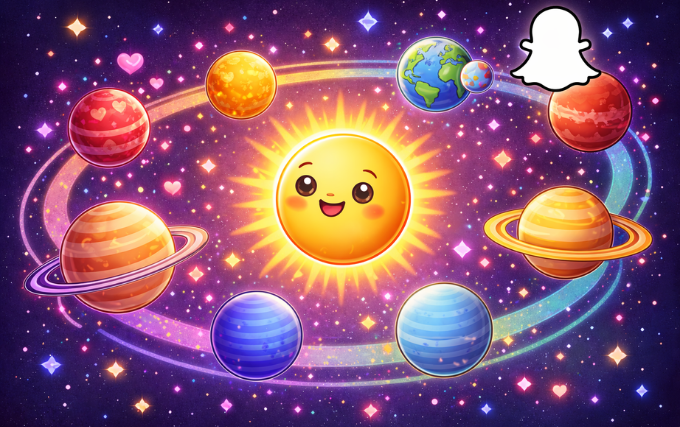
The concept behind Snapchat Planets is that you are the “Sun,” and your top eight friends are assigned planets based on your interaction frequency with them. Each planet corresponds to a specific rank — from Mercury (closest) to Neptune (farthest) — and the closer a planet is to you, the more you interact with that friend. This system provides a fresh and engaging way to view your Snapchat friendships visually and intuitively.
How Snapchat Planets Are Assigned to Friends
Snapchat Planets are automatically assigned based on your messaging habits, snap frequency, and other interaction metrics. The more active you are with a friend — through snaps, chats, video calls, or story engagement — the higher they appear in your planet order. Snapchat’s algorithm updates the planetary order periodically to reflect recent interaction patterns, making the list dynamic and ever-changing.
It’s important to note that these planet assignments are private. Only you can see your “Friend Solar System,” so your friends won’t know which planet they’ve been assigned in your view. This gives users the comfort of exploring their top connections without the added social pressure of public rankings or comparisons.
Snapchat Planet Meanings: Full List and Symbolism
Each of the eight planets in the Snapchat Planets system symbolizes a unique ranking position in your Best Friends list. Here’s how the planets correspond:
- Mercury – Closest friend (1st)
- Venus – 2nd best friend
- Earth – 3rd best friend
- Mars – 4th best friend
- Jupiter – 5th best friend
- Saturn – 6th best friend
- Uranus – 7th best friend
- Neptune – 8th best friend
The Snapchat planets don’t just differ by name; each has a unique color, ring, or emoji that mimics its real-life characteristics. This attention to detail creates a more immersive experience. For example, Saturn features visible rings, while Neptune is depicted as a deep blue sphere, consistent with how it appears in space.
Visual Representation and Emojis of Snapchat Planets
Snapchat has designed these planets with vibrant aesthetics and distinct emoji-like visuals to help users identify their rankings at a glance. Here’s how the planets are visually represented:
- Mercury: Red with hearts around it
- Venus: Orange with sparkles
- Earth: Blue and green with a moon
- Mars: Red-orange with stars
- Jupiter: Large with dark orange stripes
- Saturn: Yellow with rings
- Uranus: Light blue with swirls
- Neptune: Deep blue with a few stars
These symbolic cues make the Snapchat Planets feature feel more intuitive. They’re not just decorative — they provide at-a-glance recognition of where each friend stands in your digital orbit. The feature mimics the layout of the solar system and adds a cosmic personality to your social interactions.
Snapchat Planets vs. Best Friends List
While the traditional Best Friends list shows your top eight friends in text form, Snapchat Planets adds a visual storytelling layer. Both are powered by similar interaction metrics, but Snapchat Planets gamifies the ranking system. This makes it easier — and more entertaining — for users to understand who they connect with most frequently.
Unlike the Best Friends list, Snapchat Planets is exclusive to Snapchat+ subscribers. The feature adds value to the premium tier by enhancing the overall user experience. Instead of relying solely on names or emojis next to friend names, users can now explore a solar system themed around their social activity.
How to Access Snapchat Planets in Snapchat+
To access Snapchat Planets, you must be subscribed to Snapchat+, the app’s paid upgrade that offers exclusive features like story rewatch count, chat wallpapers, and more. Once subscribed, navigating to your friend’s profile will reveal a “Best Friends” or “Friends” badge — tapping it shows your solar system.
If you are each other’s #1 best friend, the badge will say “Best Friends”, and your friend will appear as Mercury in your system. If not, it will show “Friends”, but you can still view their planet ranking. This interactivity invites users to explore the dynamics of their friendships through a visually engaging lens.
Benefits of Using Snapchat Planets
Snapchat Planets offer multiple benefits, especially for users who enjoy tracking their social interactions. First, it adds a sense of personalization and discovery, turning digital relationships into something you can visualize and interact with. It encourages more engagement by sparking curiosity about friend placements and their meaning.
Secondly, it enhances emotional connectivity. Seeing someone as your Mercury might make you appreciate the frequency and quality of your interactions. In the age of fast-paced digital communication, these small gamified touches bring warmth and novelty back into staying connected with friends and family.
Privacy and Limitations of Snapchat Planets
One of the best aspects of Snapchat Planets is its privacy-focused approach. Only the account holder can view their solar system, so there’s no risk of friends feeling left out or competing for a higher rank. This eliminates the social anxiety often associated with ranking systems in apps.
However, this feature does have limitations. The biggest one is that it’s exclusive to Snapchat+, meaning free-tier users can’t access it. Additionally, because rankings are algorithm-based, changes in your interaction patterns can shift planet positions quickly — which might be confusing or feel inconsistent to some users.
Snapchat+ Subscription: Is It Worth It for Planets?
Snapchat+ offers a bundle of premium features, but for many users, Snapchat Planets alone could be worth the upgrade. It provides deeper insight into your social behavior and makes your experience more visually engaging. Alongside other perks like ghost trails and chat customization, Planets strengthens the overall value of the subscription.
That said, whether Snapchat Planets justifies the monthly fee depends on how much you use the app. Power users and those deeply embedded in Snapchat’s ecosystem will likely find the feature fun and worthwhile. Occasional users may not see enough value in paying for what is ultimately an entertaining visualization tool.
The Algorithm Behind Snapchat Planets
Although Snapchat hasn’t officially disclosed the exact formula behind the Snapchat Planets ranking system, it’s generally understood to rely on interaction frequency. This includes how often you exchange snaps, chat, view each other’s stories, and interact via reactions or stickers.
The algorithm is dynamic — meaning it updates regularly. If your interactions with a friend increase dramatically over a short period, they might move up the rankings and change planets. This responsive nature keeps the system engaging and reflective of your current social habits.
Tips to Improve Your Planet Ranking
If you want to move up in someone’s Snapchat Planets solar system, consistent engagement is key. Send daily snaps, reply to chats quickly, view their stories, and react with emojis or Bitmojis. All these signals feed the algorithm and increase your chances of being ranked closer — possibly becoming their Mercury.
Additionally, avoid long gaps in communication. Even if someone was your Jupiter or Mars last week, they may be replaced by someone you interact with more frequently this week. Staying active and present is the best way to climb the ranks and secure a top spot in their Snapchat universe.
Snapchat Planets and Youth Culture
Snapchat Planets has become a trendy talking point among teens and Gen Z users. It blends gamification with digital relationships — a format that resonates strongly with a generation that values personalization and visuals. Sharing screenshots of your “solar system” (even though it’s private) has become a subtle social flex.
More than just a feature, it represents how social media continues to evolve. Rather than listing names or statistics, apps now favor immersive experiences that convey feelings, memories, and connections through design. Snapchat Planets is part of this broader trend that prioritizes visual storytelling over raw data.
Future Possibilities for Snapchat Planets
Looking ahead, Snapchat could expand the Planets feature in exciting ways. Potential updates might include adding moons for group chats, introducing seasonal changes to the planets’ appearances, or allowing users to customize their own solar systems. These upgrades would deepen the personalization and user investment in the feature.
There’s also the opportunity to integrate AI and predictive analytics, suggesting which friends are rising in your orbit based on behavioral patterns. With Snapchat investing in AR and Bitmoji integration, Planets might evolve into interactive animations, providing real-time visual shifts as your interactions change.
FAQs
Q: Can anyone see my Snapchat Planets?
A: No, only you can see your own Friend Solar System. Your friends won’t know what planet they are in your system.
Q: How often do Snapchat Planets change?
A: They update based on recent interactions. A change in communication frequency can cause friends to move up or down.
Q: Is Snapchat Planets available for free users?
A: No, this feature is exclusive to Snapchat+ subscribers.
Q: What’s the meaning of being someone’s Mercury?
A: If you’re someone’s Mercury, you are their closest friend based on interactions — ranked #1 in their solar system.
Q: Do the planets reflect real astronomical data?
A: Not exactly. While they mimic planet visuals and order, they are symbolic and represent friend ranking, not science.
Conclusion
Snapchat Planets adds a delightful and imaginative touch to how we view digital friendships. By transforming simple interaction data into a colorful solar system, Snapchat offers users a novel way to connect emotionally with their most frequent contacts. The feature is both playful and meaningful — turning every snap into a step closer in your friendship galaxy.
For Snapchat+ subscribers, it’s one of the standout features that delivers both insight and fun. Whether you’re someone’s Mercury or just orbiting as Neptune, Snapchat Planets reminds us that friendship isn’t just about messages — it’s about connection, closeness, and a little cosmic sparkle.
