


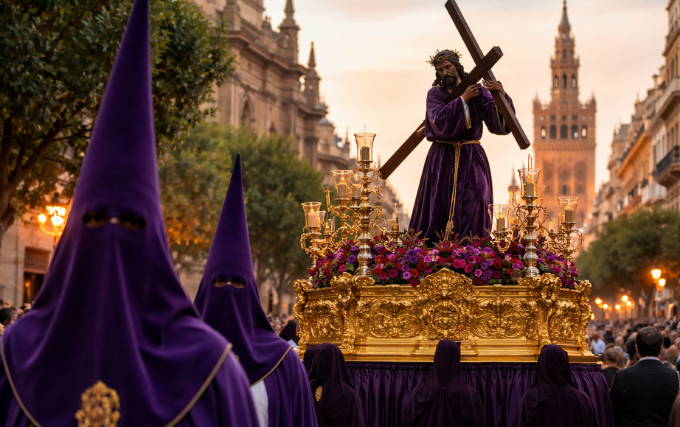
Semana Santa 2025 is one of the most anticipated religious and cultural events in the Christian calendar, celebrated with great devotion across Spain, Latin America, and other parts of the world. This holy week, which commemorates the passion, death, and resurrection of Jesus Christ, combines deep religious significance with vibrant local traditions that have been preserved for centuries. For travelers, history enthusiasts, and spiritual seekers alike, understanding the key dates, unique customs, and regional festivities of Semana Santa 2025 can enhance their appreciation of this extraordinary period. In this article, we will explore all essential aspects, from its historical roots to modern-day celebrations, ensuring readers have a complete guide to this iconic event.
Key Dates of Semana Santa 2025
Semana Santa 2025 begins on Palm Sunday, April 13, 2025, marking the start of the week-long celebration. Palm Sunday commemorates Jesus’ triumphant entry into Jerusalem, an event remembered with processions carrying palm branches and olive leaves. The week progresses through various significant days, each with its own religious importance, culminating in Easter Sunday on April 20, 2025, which celebrates the resurrection of Christ. Understanding these dates is crucial for planning travel, attending processions, and participating in local rituals that vary by region.
The days between Palm Sunday and Easter Sunday also include Maundy Thursday (April 17, 2025) and Good Friday (April 18, 2025). Maundy Thursday observes the Last Supper and Jesus’ act of washing his disciples’ feet, often commemorated with reenactments. Good Friday marks the crucifixion and death of Jesus, traditionally observed with solemn processions and reflective ceremonies. For Semana Santa 2025, these dates provide a structured timeline that blends devotion, history, and local culture, offering a unique experience for participants and observers.
Historical Roots of Semana Santa
The origins of Semana Santa date back to the early Christian era, evolving over centuries into the elaborate celebrations seen today. The tradition reflects both religious devotion and the desire to teach biblical stories through public rituals. Over time, the Catholic Church institutionalized these observances, integrating symbolic practices such as processions, penitential garments, and ornate floats depicting scenes from the Passion of Christ. Semana Santa 2025 continues this centuries-old tradition, emphasizing both faith and cultural identity across diverse communities.
These celebrations also reflect the fusion of religious and local cultural elements. In Spain and Latin America, centuries-old brotherhoods, known as cofradías, organize processions, each dedicated to specific religious figures or events. The craftsmanship of floats, intricate embroidery of robes, and carefully choreographed rituals showcase a rich heritage passed down through generations. Semana Santa 2025 will highlight this continuity, offering participants a chance to witness the enduring legacy of faith and artistry that defines this holy week.
Traditional Processions and Ceremonies
One of the defining features of Semana Santa 2025 is the processions, which are central to the observance of Holy Week. Cities like Seville, Malaga, and Valladolid are famous for their grand processions, featuring large floats, religious statues, and participants dressed in traditional penitential robes. These processions move slowly through city streets, often accompanied by solemn music and chanting, creating a deeply reflective atmosphere that attracts both locals and tourists.
The ceremonies also involve specific rituals tied to each day of the week. For instance, Maundy Thursday often features reenactments of the Last Supper, while Good Friday focuses on the Stations of the Cross, with believers carrying crosses and participating in acts of penance. Semana Santa 2025 will maintain these practices while also incorporating modern adaptations, such as live broadcasts and tourist-oriented guides, making the spiritual and cultural experience accessible to a global audience.
Regional Variations of Semana Santa
Semana Santa celebrations vary significantly by region, reflecting local history, artistic traditions, and community involvement. In Spain, Andalusia is particularly famous for its elaborate processions, while Castilla y León emphasizes solemnity and religious reflection. Latin American countries such as Mexico and Guatemala add their own flair, incorporating indigenous customs, vibrant costumes, and colorful street decorations that highlight the fusion of pre-Columbian and Christian traditions. Semana Santa 2025 promises an even richer display of these regional differences.
These variations also influence the schedule and style of events. In Seville, processions may last for hours and involve thousands of participants, whereas in smaller towns, celebrations might focus on intimate rituals and family-oriented observances. Latin American cities often include dramatic street performances and community feasts, creating a more festive atmosphere. By exploring these regional differences, visitors and devotees can gain a deeper understanding of Semana Santa 2025’s multifaceted nature, blending solemnity, pageantry, and local identity.
Cultural Significance and Symbolism
Semana Santa is not only a religious observance but also a profound cultural phenomenon that reflects historical, artistic, and spiritual values. Each procession, float, and ritual carries symbolic meaning, often depicting scenes from Christ’s passion, death, and resurrection. Participants’ clothing, such as the pointed hoods (capirotes) and robes, symbolize penance and humility, while floral arrangements and candles represent devotion and reverence. Semana Santa 2025 will continue to emphasize these symbols, offering both locals and visitors a meaningful, immersive experience.
The cultural significance extends beyond religious devotion to encompass art, music, and community cohesion. Traditional bands, choirs, and dramatizations of biblical narratives enrich the sensory experience, while artisans dedicate months to preparing intricate floats and costumes. Semana Santa 2025 will serve as a living exhibition of craftsmanship, music, and spiritual expression, illustrating how faith, culture, and artistry intertwine to create one of the most remarkable weeks in the global religious calendar.
Culinary Traditions of Semana Santa
Food plays an essential role in Semana Santa 2025, with culinary traditions reflecting both religious practices and regional flavors. During Holy Week, many communities observe fasting or abstain from meat, leading to the popularity of fish dishes, stews, and vegetarian specialties. Traditional sweets, such as torrijas in Spain or capirotadas in Mexico, are often prepared, combining local ingredients with centuries-old recipes that have become synonymous with the holiday.
These culinary customs not only fulfill religious observances but also reinforce community and family bonds. Sharing special meals before or after processions, attending communal feasts, and exchanging traditional treats strengthen the social fabric of the celebrations. Semana Santa 2025 will continue to showcase these edible traditions, highlighting how gastronomy enriches the spiritual and cultural experience, making it both a feast for the soul and the senses.
Tourism and Travel Tips for Semana Santa 2025
Semana Santa 2025 attracts travelers from around the world, drawn to the beauty of processions, historic cities, and local traditions. Planning a visit requires careful attention to dates, accommodation, and local customs, as popular cities like Seville and Malaga can become extremely crowded. Booking hotels and transportation in advance is recommended, along with researching specific procession schedules to ensure an immersive and seamless experience.
Travelers are also encouraged to respect local practices and participate mindfully in ceremonies. Dressing modestly, observing silence during solemn processions, and understanding cultural etiquette can enhance the experience. Semana Santa 2025 offers a unique opportunity to witness centuries-old traditions firsthand while enjoying the architectural beauty, art, and cuisine of host cities. Proper planning ensures that both spiritual and cultural aspects are fully appreciated, creating lasting memories.
Modern Adaptations and Media Coverage
In recent years, Semana Santa has adapted to modern media and technology, with many processions streamed live for audiences worldwide. Social media platforms, virtual tours, and professional photography have expanded access, allowing global participation without physical presence. Semana Santa 2025 will continue this trend, combining tradition with modernity to reach a broader audience while maintaining the integrity of the rituals.
Digital coverage also highlights the artistry and devotion involved in preparations, from designing floats to rehearsing processions. These modern adaptations help preserve knowledge and engage younger generations, ensuring that Semana Santa remains relevant in a rapidly changing world. By embracing technology while respecting tradition, Semana Santa 2025 demonstrates how ancient religious practices can coexist with contemporary cultural dynamics.
FAQ
Q: When is Semana Santa 2025?
A: Semana Santa 2025 begins on Palm Sunday, April 13, and ends on Easter Sunday, April 20.
Q: What are the main events during Semana Santa?
Key events include Palm Sunday processions, Maundy Thursday Last Supper reenactments, Good Friday crucifixion observances, and Easter Sunday celebrations.
Q: Which countries celebrate Semana Santa?
A: It is celebrated primarily in Spain and Latin America, with notable traditions in Mexico, Guatemala, Colombia, and Peru.
Q: Are there special foods associated with Semana Santa?
A: Yes, traditional foods include fish dishes, torrijas, capirotadas, and other regional sweets prepared during the holy week.
Q: Can tourists participate in Semana Santa?
A: Yes, tourists can attend processions, observe rituals, and explore cultural events, though respecting local customs is important.I
Conclusion
Semana Santa 2025 represents a unique convergence of faith, culture, history, and community, offering both spiritual reflection and vibrant celebrations. From key dates and solemn rituals to regional variations and culinary delights, this week provides a multifaceted experience that continues to captivate locals and visitors alike. Whether observing from the streets of Seville or participating in intimate family traditions, the essence of Semana Santa remains one of devotion, artistry, and cultural pride.
For travelers, devotees, and cultural enthusiasts, understanding the full scope of Semana Santa 2025 enhances the appreciation of its significance. By exploring its historical roots, ceremonial intricacies, regional diversity, and modern adaptations, participants can immerse themselves fully in a tradition that has endured for centuries. Semana Santa 2025 is not just a religious observance; it is a living celebration of heritage, community, and devotion that leaves a lasting impression on all who experience it.
